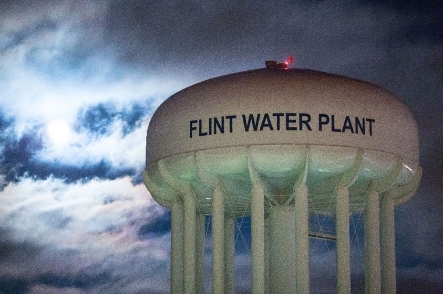
Activists and environmentalists say the state now needs to spend whatever it takes to make sure the water is safe to drink.
"For years the state told us we were crazy, that our water was safe, which wasn't true," said Melissa Mays of Water You Fighting For, a Flint-based organization which joined the American Civil Liberties Union and the Natural Resources Defense Council in filing the lawsuit.
"For the sake of my kids and the people of Flint, we need a federal court to fix Flint's water problems because these city and state agencies failed us on their own."
Replacing all the lead pipes in Flint would take years and cause major disruption for residents because roads would need to be shut down to dig them out of the ground, said Greg DiLoreto of the American Society for Civil Engineers.
But while short-term fixes might be able to resolve Flint's lead problems for now, replacing those pipes is something that Flint -- and most other American cities -- has to start planning for, he told AFP.
A large proportion of the nation's water systems were built in the early 20th century and some pipes date back to the late 1800s.
"No engineer designed any system to last 150 years," DiLoreto said in a telephone interview.
"This is like your house. At some point you're going to have to put a new roof on it."