“An injury to one is an injury to all” – so goes the old union slogan.
It is a principle which #JobstownNotGuilty is appealing to, as we seek to rally opposition to a major threatened injustice next week.
On November 15, 2014, then Tanaiste and leader of the Labour Party, Joan Burton was met by a spontaneous protest in Jobstown.
The protest grew to hundreds of people, as a community ravaged by the impact of austerity and betrayed by the Labour Party came out to make their voice heard.
A sit-down protest behind her car, which was parked beside a food bank took place, followed by another sit-down protest and slow march in front of a Garda jeep that Ms Burton was moved into.
In total, the protest went on for about two and a half hours. Around the corner, it later emerged, a homeless couple were living in their car for weeks.
After almost two eventful years, including two weeks of heavy-handed dawn raids, finding out through the media that we were to be charged with false imprisonment, and the tragic death of one of the accused, the trials are now upon us.
The first false imprisonment trial will start on Monday in the Children’s Court, where a 17-year-old young man, who recently completed his Leaving Cert, will stand trial.
“It’ll never go to trial” we were all re-assured repeatedly by people incredulous that the definition of false imprisonment could be stretched to include sit-down protests and slow marching. Yet it is.
This is not going to stop before Monday. By the end of next week, a young man could be sentenced to jail.
Next April, the first group of adult defendants will begin their six-week trial and could face up to life in prison. The total cost to the State of these prosecutions runs into the millions of euros.
How did it come to this?
This is not the first occasion when Ministers were delayed as a result of sit-down protests.
Take just one university, University College Dublin (UCD): Taoiseach Charlie Haughey was met by sit-down protests in 1989.
In 2002, Minister Noel Dempsey was stuck in a building surrounded by protesting students for hours.
Six years later, Brian Lenihan was reportedly ‘blockaded’ by protesting students there again.
Not one prosecution for even minor public order offences, never mind false imprisonment, followed any of these protests.
What’s so special about Jobstown?
It is a working-class community and a protest that has come to symbolise the dramatic shift in Irish politics.
That shift is one deeply unfavourable for the traditional establishment parties and the economic elite that they represent.
A key part of that change is the refusal of people to play the role allotted to them of ‘waiting in the long grass’ for elections – passively voting for parties like the Labour Party at election time, only to be sold out once again.
Instead, the anti-water charges movement was the lightning rod for accumulated anger to explode.
The result was widespread civil disobedience, centred in working-class communities like Jobstown.
Instead of the caricature of apathy, these communities were central to protests against Ministers, the prevention of the installation of unwanted water meters and, crucially, the 73% refusing to pay water charges bills.
Not only widespread civil disobedience, but successful widespread civil disobedience – with the Government forced to suspend water charges and Fianna Fáil forced into opposing them.
If you are part of the 1% in this country, with your traditional parties reduced to less than a combined 50% of support and Labour slashed from 37 seats to 7 – this is a very scary vista, considering the number of other issues that social movements are possible on.
It is a prospect that requires a strong response from their point of view. That is what explains the reaction of the state.
The effect of the conviction of people for false imprisonment would be to send a clear message – “this far and no further, back into your box. You may have forced us to suspend water charges, but don’t forget that effective protest is criminal and protesters will be criminalised.”
It is a draconian extension of the political policing that was on view in response to the anti-water charges movement, from the arrest of more than 200 protesters at anti-water meter protests, the outrageous jailing of a number, Operation Mizen spying against protesters and the denial of the Anti-Austerity Alliance of the right to fund raise on the grounds that the money would be used to “commission … an unlawful act”
This is a threat not just to the freedom and future of the 17-year-old, or the other 18 defendants.It represents much more than that.
It is an attack on the people of Jobstown and Tallaght – punishment for being to the forefront of the movement against austerity.
It is an attack on people’s democratic right to elect the TD of their choosing, because I would be removed as a TD if sentenced to more than six months in prison.
Most importantly, it is a fundamental attack on people’s right to protest. If sit-down protests are false imprisonment, then there are a lot of potential kidnappers out there.
Any striker who mounts an effective picket preventing the movement of vehicle could be guilty. Any anti-war protester who sits down outside Shannon airport could be guilty.
Any abortion rights protester who participates in a slow march could be guilty. We all become kidnappers.
It sounds farcical, but it is deadly serious. At stake here is people’s right to protest.
#JobstownNotGuilty was established by the defendants one year ago to co-ordinate a united defence campaign of all. We have been working away on legal and campaign preparations.
Now, we are appealing for people to support us and their own rights.
Much of the media has already pronounced our guilt, with the tone set from the day of our arrest, with Claire Byrne declaring that “you falsely imprisoned the Tánaiste” and continued famously by Ryan Tubridy on the Late Late Show, not to mention theSunday Independent.
We therefore rely on people themselves connecting with #JobstownNotGuilty and spreading the information about the injustice that is threatened.
We need people to pass motions in trade unions, students’ unions and campaign groups.
We want other communities to publicly express their solidarity and support for Jobstown. This should become a national scandal – with a demand that the charges be dropped.
The 17-year-old is on trial for all of us next week.
We have launched a fundraising appeal to raise the €2,000 necessary for bail in case he is jailed, so that he can appeal without being incarcerated.
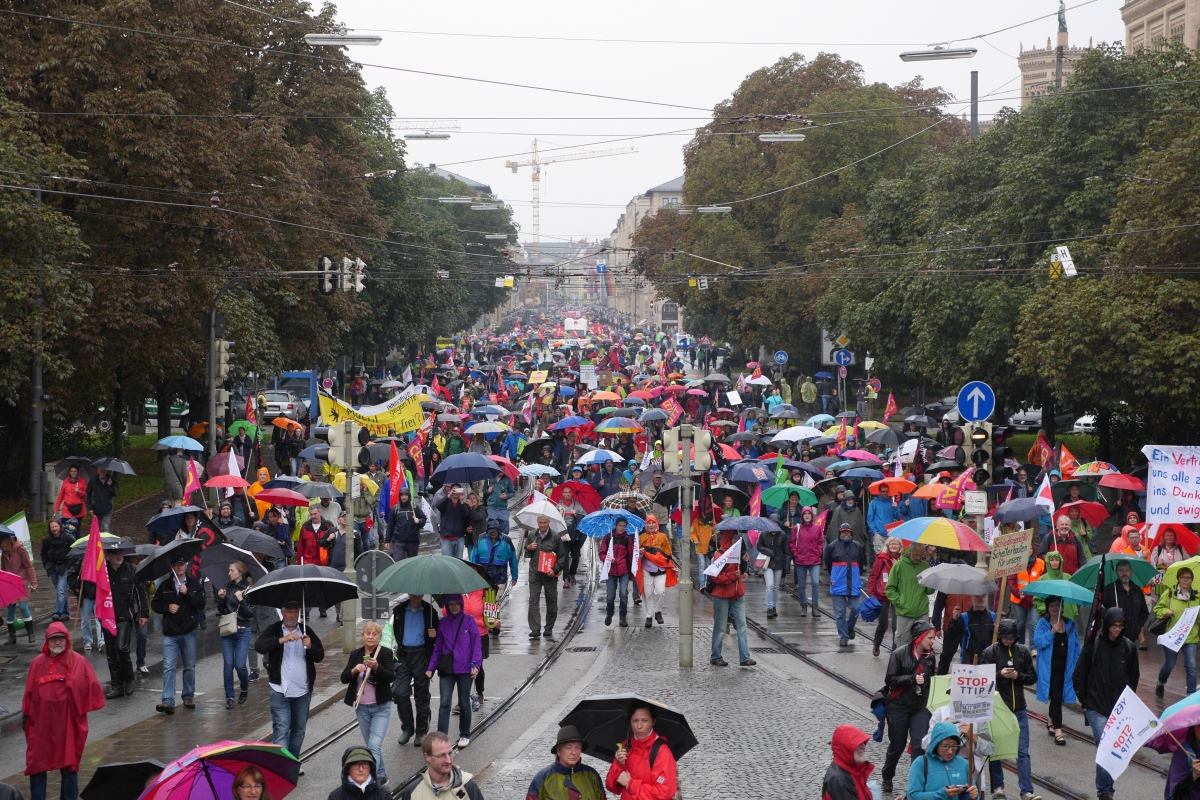
One of our campaign will read out a statement on his behalf at Saturday’s Right2Water march and we will be present with placards and leaflets.
Most importantly, we are appealing to people to turn out to the Children’s Court in Smithfield, Dublin 7on Monday morning at 10am for the start of the trial of the 17-year-old.
A massive display of solidarity is needed to show that we stand behind him.
Source: Broadsheet, Sept 16, 2016