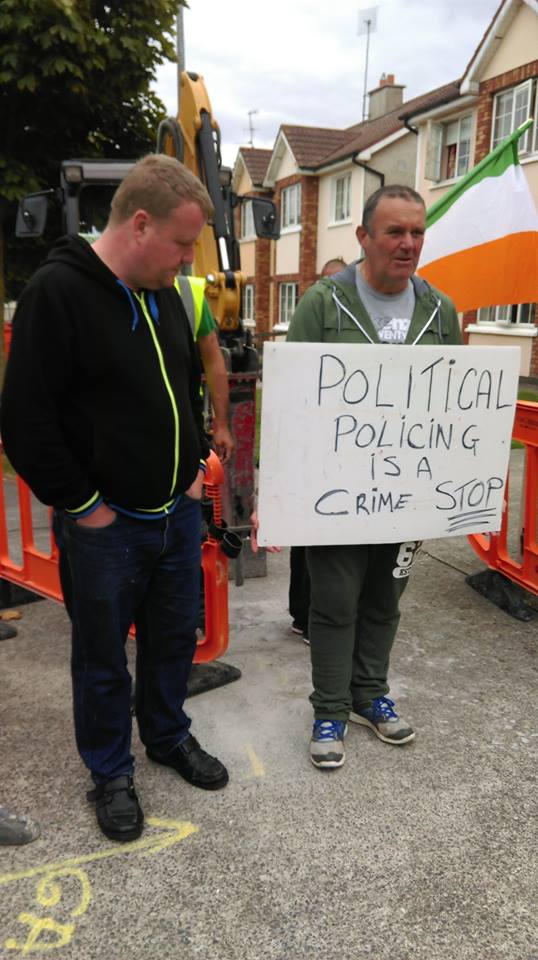
Did you pay your water charges? You did. You mug. Not to worry, you will get your money back.
Every water disaster has an upside. Here is one election promise they will not tell you about. It will not feature in the Budget. It will not appear in any party's manifesto but it is being whispered in the corridors of Leinster House. It will have all-party agreement. It will put money back into the pockets of the battered, law-abiding middle class.
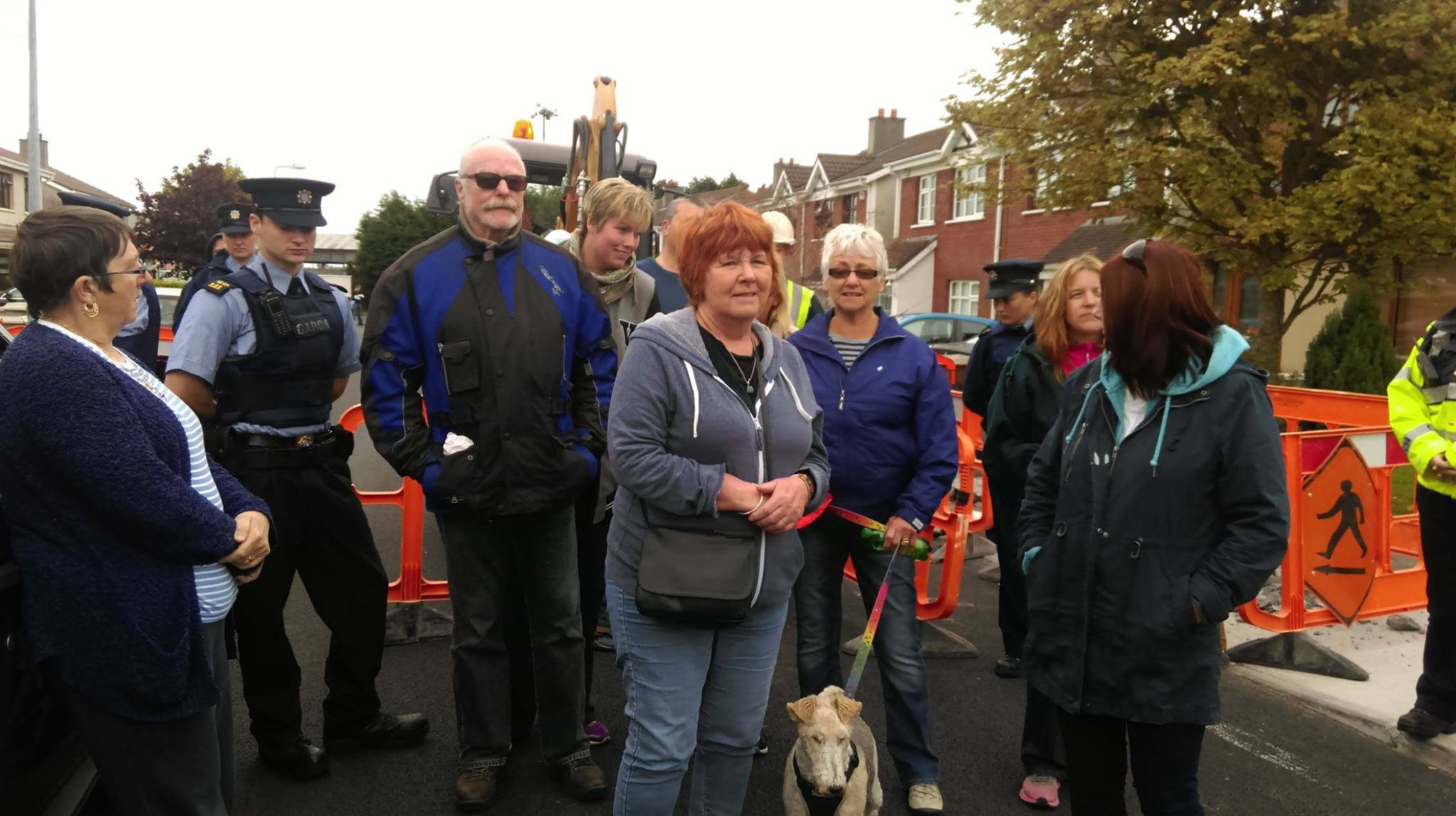
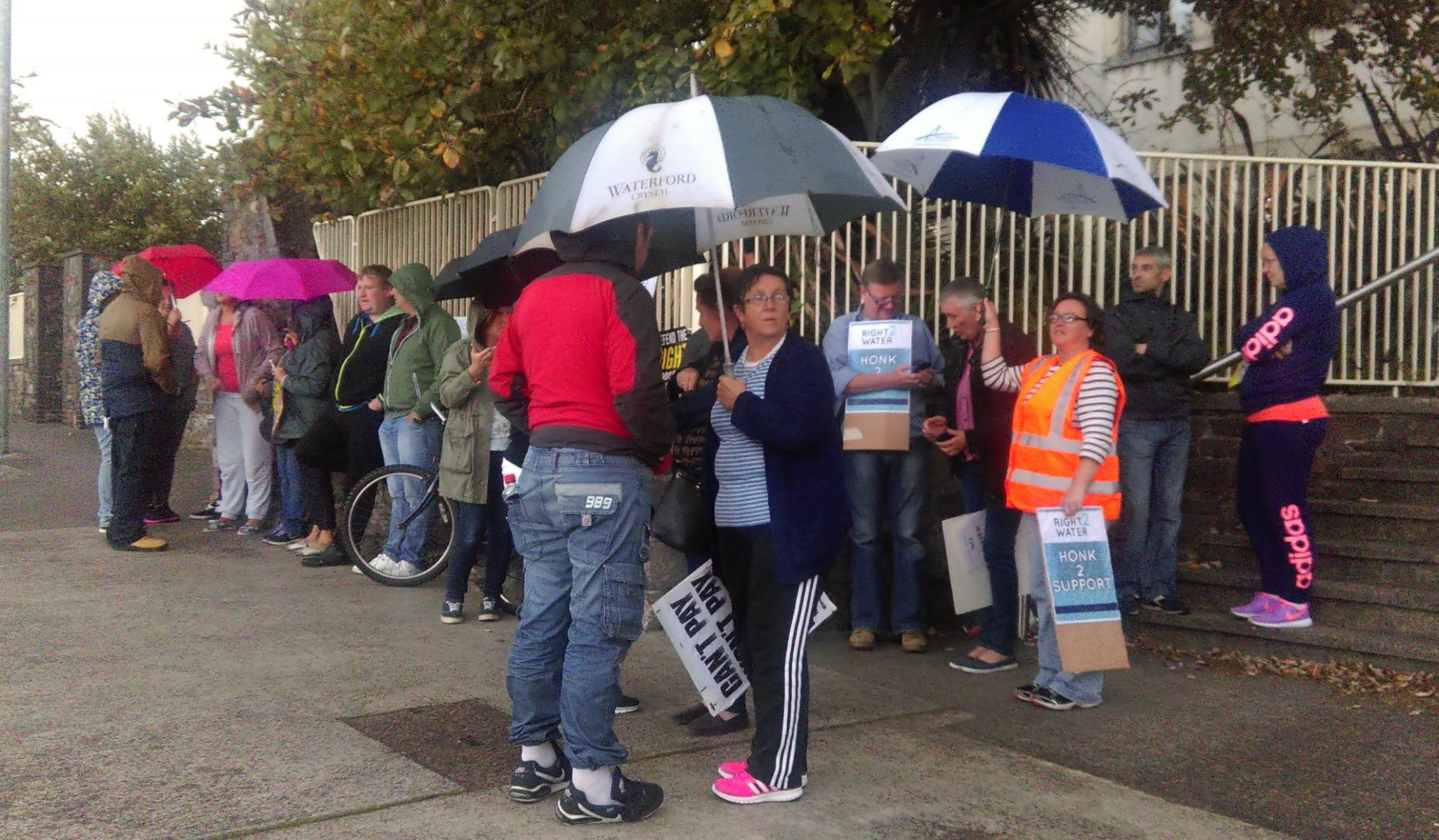
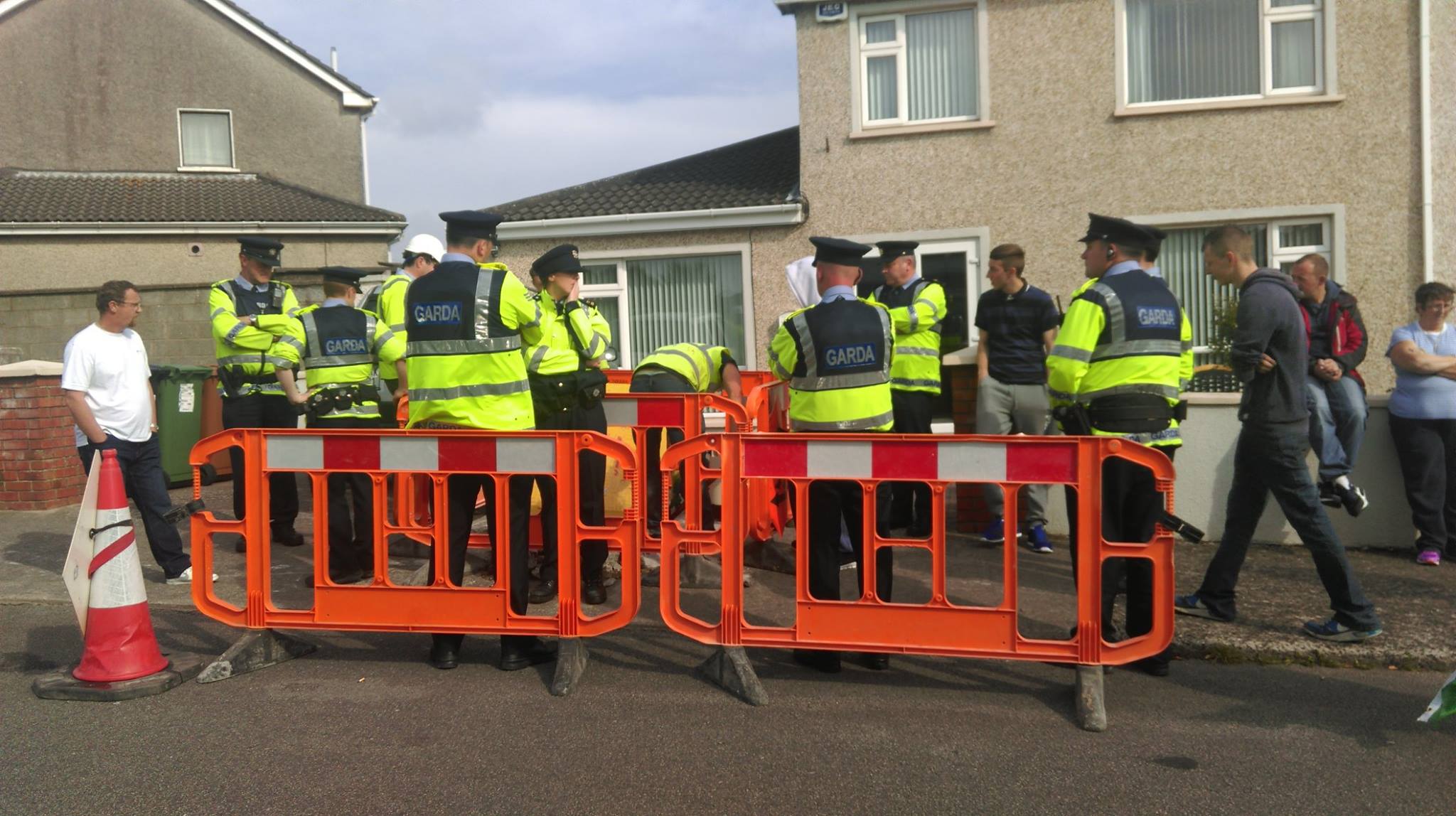
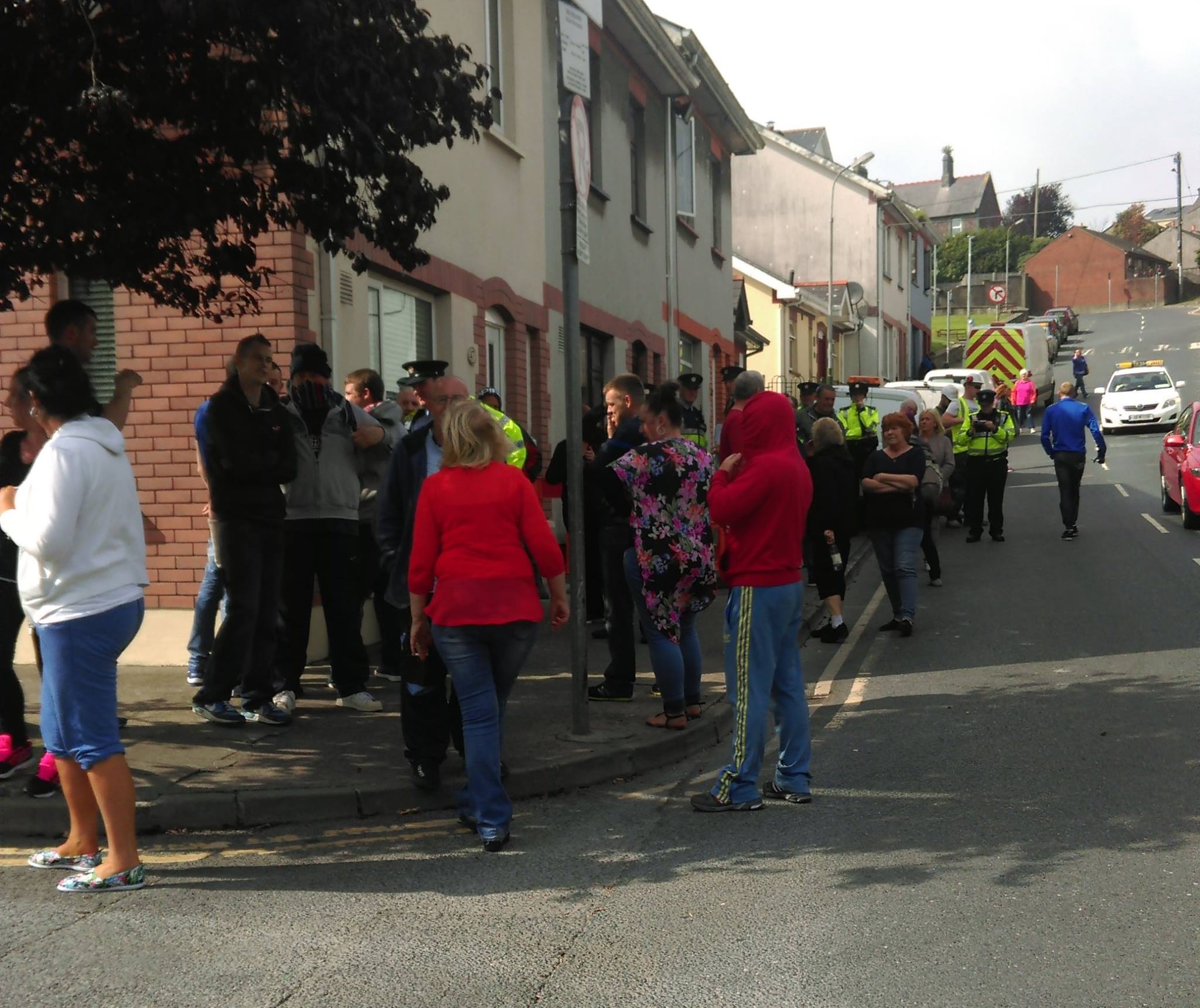
You did not pay? You are carefree, cavalier and cunning. You know there is safety in numbers. The Irish Government is hardly poised to prosecute half its electorate just before an election. The battle is over. Civil disobedience has triumphed.
Some of those who have already paid up are looking ruefully at their respectable, middle-class neighbours. The neighbours - with two cars in the driveway and kids at private schools - are not paying their water charges. They see no point. They justify their refusal by citing the woes of Irish Water. They loathe the bonus culture, the waste, the daily litany of disasters dripping out of the Talbot Street headquarters. They deeply dislike Paul Murphy TD, his ilk and his antics, but they see a refusal to pay water charges as a gesture of defiance, a riposte to the constant crucifixions of the coping classes. They know they will never see the inside of a courtroom.
Others have even registered with Irish Water, but have not paid up. Non-payers, they are still snatching a quick €100 profit, a social welfare giveaway dressed up as a "conservation" grant - although they have conserved nothing. They will blow the gift from the State on a bottle of vintage wine or a joint of sirloin beef.
Recently some of those ducking the bills were beginning to wobble, until last week when the Labour Relations Commission (LRC) bolstered their resistance. Ireland's industrial relations troubleshooter made a monkey of itself. It restored bonuses to Irish Water staff. A few months ago, the bonuses were stopped after a public outcry. Last week, 29 of the top brass at Irish Water recouped €3,000 a year, while lower-grade staff received less. The LRC decision gave cover to the Government, to Irish Water itself, to the trade unions and to all those seeking a pretext for refusing to pay the charges.
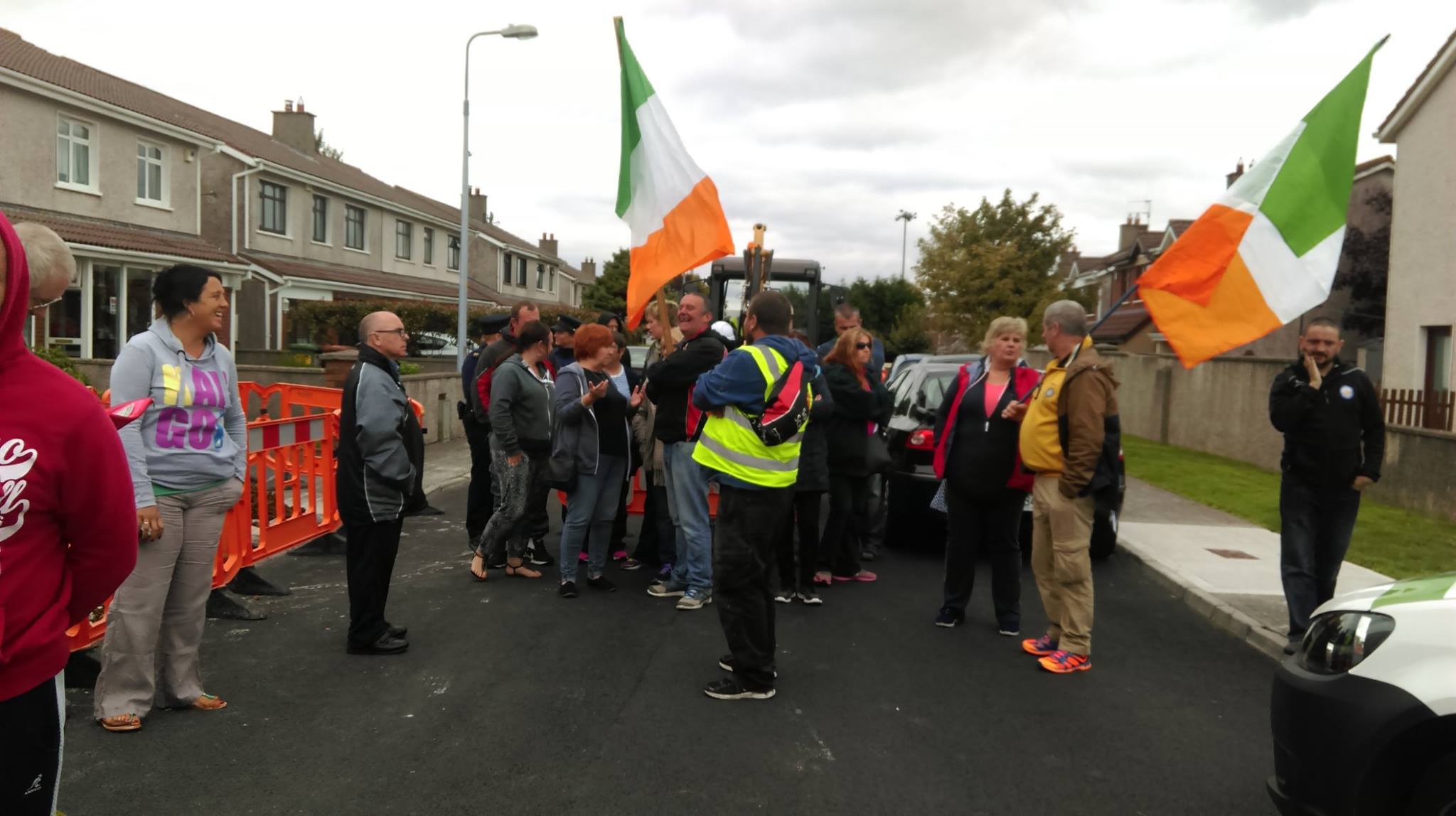
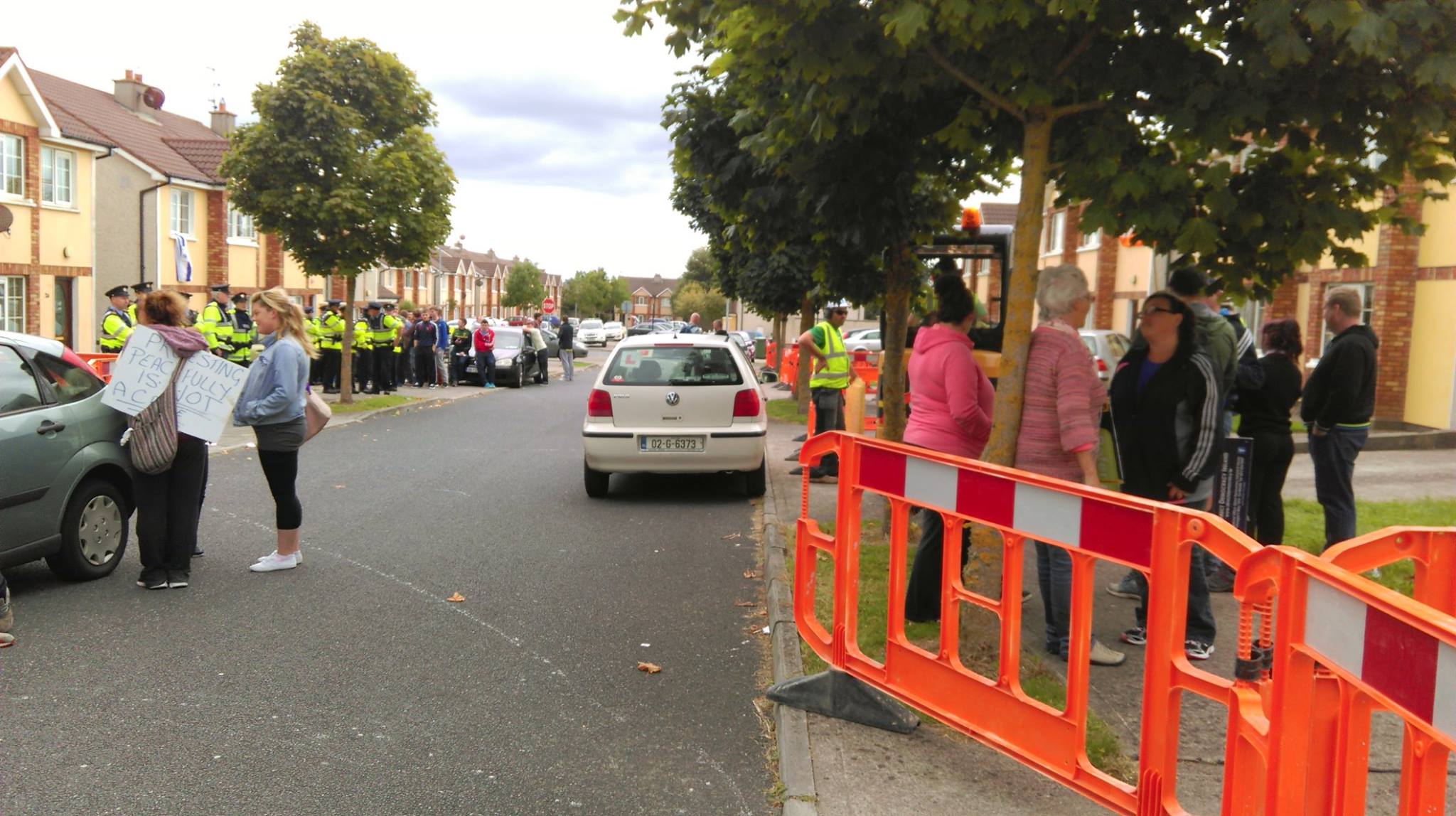
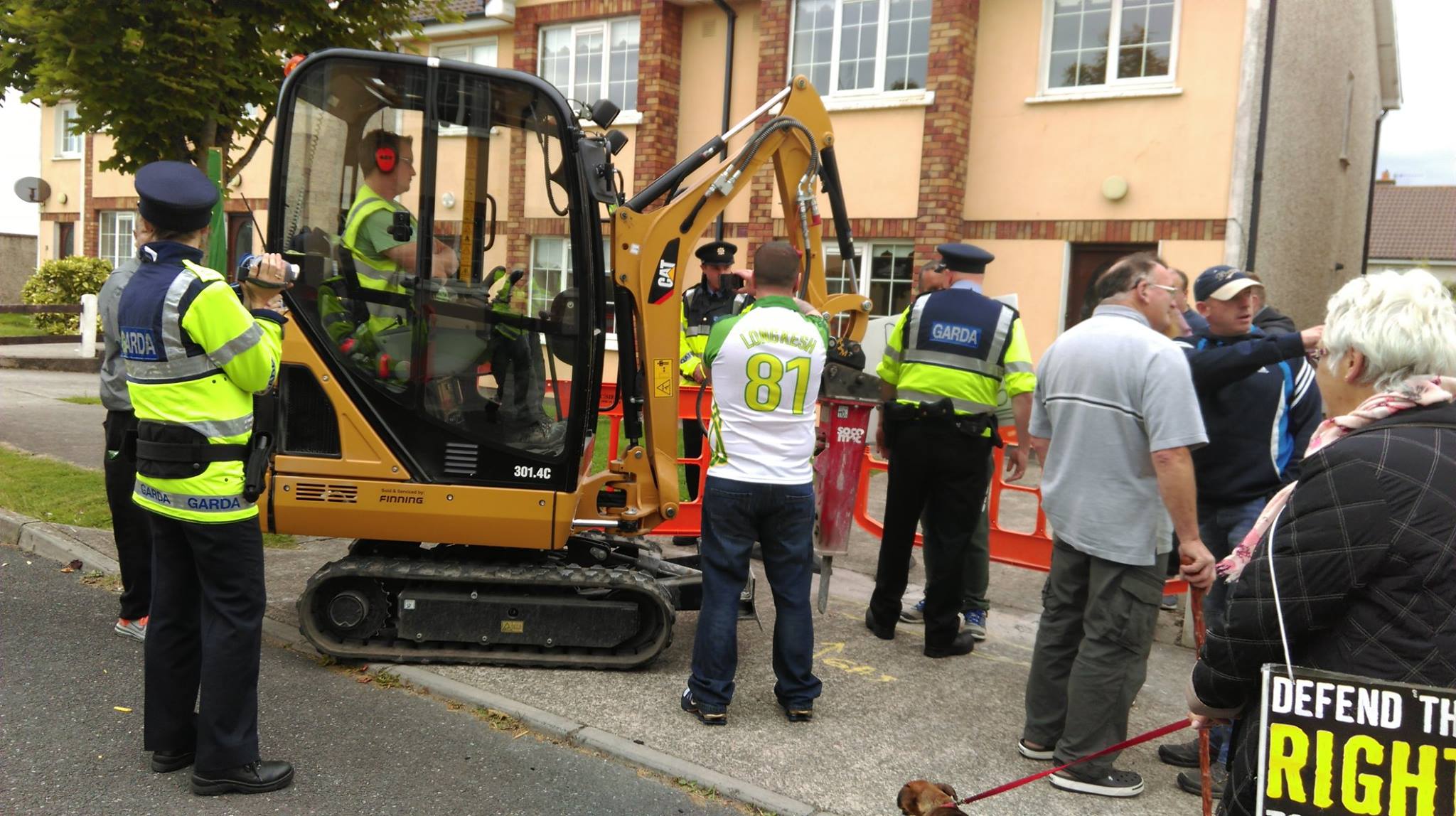
The die was cast after the LRC decision. The non-compliant bourgeoisie no longer needed an excuse to revolt. Official Ireland, in the form of the LRC, had sponsored a deal accepting the hated bonus culture. Irish Water's days are numbered, slain not by Paul Murphy and his band, but by a middle-class rebellion. At the end of June, 810,000 households had refused to pay. The Government has been defeated. The end will come either through the jackboot or the white flag. It is Hobson's choice. All that remains is a decent funeral for water charges.
The Government will leave the surrender until after the election, stoutly maintaining the status quo until then. The debts of the defaulters will be forgiven by a new regime, simply because the money cannot be collected. Those who have paid will have to receive their money back. Those who have taken a "conservation grant" will never have to return their ill-gotten gains. The fiasco of Irish Water has many months to run.
What in the name of God is happening in the Irish madhouse? A state monopoly, a dysfunctional quango, has accepted a proposal from a state agency (the LRC), an unreformed quango, to restore 'performance' bonuses of €3,000 to its top staff. Backdated, to boot.
Today's Irish Water is bad enough but the LRC itself is a reminder of unhappier times. It is as deep rooted in the Irish establishment as the other state agencies. It is a legacy of the days of social partnership. It is a quango that is about to be merged with two other quangos, the National Employment Rights Authority (NERA) and the Equality Tribunal. It will morph into a monster.
The LRC's five-person board is past its sell-by date. The chair is occupied by Breege O'Donoghue, a long-standing political nominee. The remaining directors are nominated by either the bearded brethren or, even worse, by the impostors from the Irish Business and Employers Confederation (IBEC). The two most conservative forces in Ireland (IBEC and ICTU) are in the saddle at the LRC. Breege has been a director since 2003. ICTU nominee Peter McLoone was selected 15 years ago, as was IBEC'S social partnership relic, Brendan McGinty.
The two other nominees, ICTU's Fergus Whelan and IBEC's John Hennessy, have served a mere six years.
Social partnership quangos still flourish behind the parapet. Each LRC director pockets nearly €12,000 a year while chairperson Breege receives over twenty grand. Breege must have netted €250,000 over the years for this gentle gig.
Peter McLoone, who enjoyed the State's largesse as a director of FAS in its more extravagant days, has been forced to settle for less than €180,000. Refreshing the board is an unknown concept for this den of dinosaurs.
And the LRC is hardly a champion of corporate governance. The majority of its board has served far beyond the generally acceptable period. An arbiter over others, it is chronically late - for a second year - in producing its 2014 annual report. It was meant to be lodged in the Oireachtas Library before June 30.
We are waiting. Some of the information it eventually provides will be nearly two years out-of-date when it is released.
In Ireland, the sisterhood of quangos does not need to obey the rules.
Yet we are supposed to trust the LRC's judgments on such delicate matters as bonuses to employees of Ireland's latest industrial lunatic asylum.
The unions, some of whose members are beneficiaries of the bonuses, have bought into the deal.
The LRC is riddled with the politics of social partnership.
Below board level it employs 12 favoured outsiders as so-called Rights Commissioners on a basic €408 a day (over €100,000 a year annualised). Rights Commissioners are politically appointed following a recommendation from the social partners. Familiar names on the panel are veterans of the social partnership era. No interviews for these juicy posts were ever held. The department has promised that this will change!
Last week, when I asked the LRC for a biography of its board members, a senior employee was puzzled. They had nothing on file. Breege and Peter and Fergus and John and Brendan might as well be women from Mars or men from the moon.
Is this the body that we want sorting out our industrial relations spats? Perhaps it was technically right in its stance on Irish Water bonuses, but do we desire a board of social partnership fossils setting the standards for rows revolving around bonuses agreed behind closed doors?
Sometimes it is more appropriate to focus the spotlight on the judge rather than the protagonists in a dispute. All the vested interests in this latest Irish Water controversy are off the hook. Instead, we now need a victim impact statement on behalf of the Irish people.
Next month the LRC's merger with two other quangos will create a superquango called the Workplace Relations Commission.
It will boast a brand new board. Expect to see all the usual suspects re-appearing.
Water charges are doomed. No government can enforce payment of hundreds of thousands of outstanding bills. They will tough it out until the polls have closed. A few weeks later a "review" will grant an amnesty to those who have refused to pay. A little footnote in the press release will reveal that the mugs who ponied up for their water charges will receive a cheque in the post.
Article: Irish Independent Sept 20, 2015
Fliuch.org